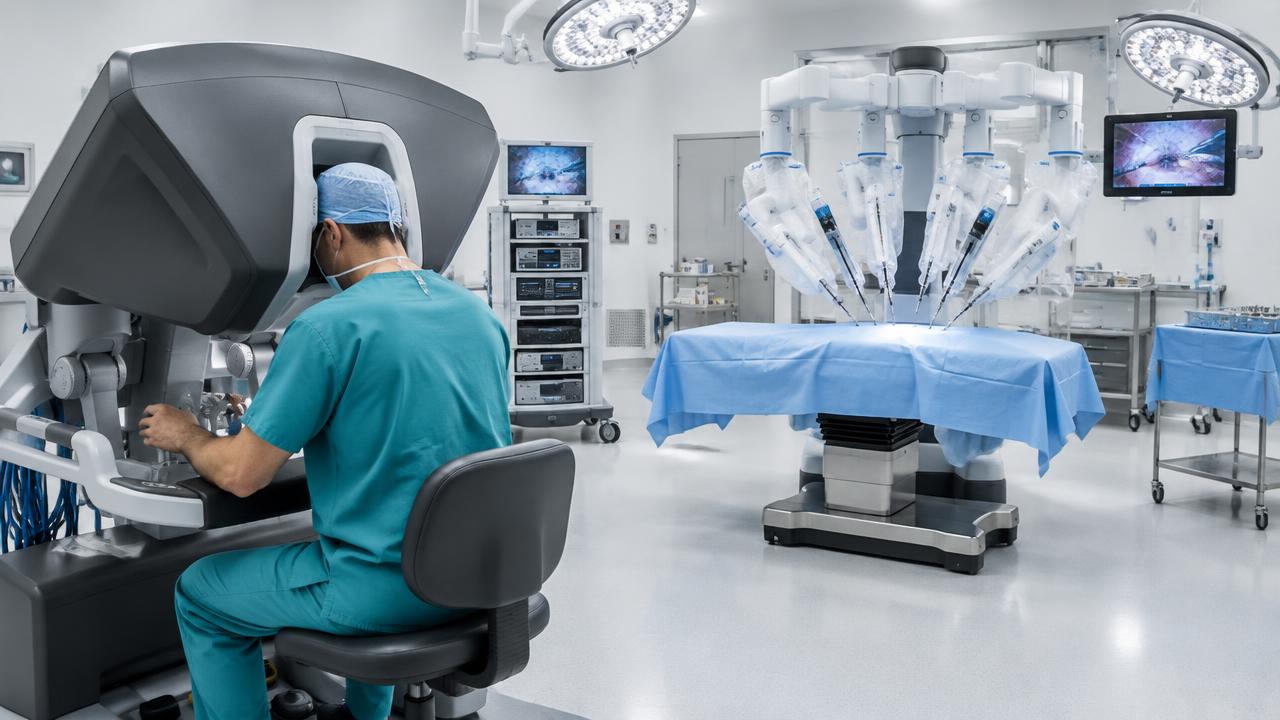
Artificial intelligence and robotics in reconstructive and aesthetic surgery
Planning, research and clinical support: opportunities and limits of evolving tools.

Artificial intelligence and robotics often feature in discussions of surgery’s future. They are different technologies: AI analyzes data or generates content, while robotic systems can assist movements under professional control. Neither automatically replaces surgeon responsibility or guarantees an aesthetic result.
From research to practice
The ASPS describes emerging AI applications in medicine and plastic surgery, with limitations in clinical implementation. An exploratory tool is not a validated method for every patient. Ask whether the proposed use is approved for that purpose and how it is supervised.
Simulation is not certain prediction
A generated image can support discussion of goals but cannot precisely anticipate healing, tissue response or complications. An appealing visualization is not a promised result. Consent should distinguish guidance from remaining uncertainty.
Privacy and human judgment
Before sharing photos or clinical data with a tool, ask who receives them, how they are protected and whether they will be used for other purposes. Confirm who interprets outputs and makes decisions. This article does not claim local availability of a specific platform or offer AI diagnosis.
Questions for your consultation
- How was this tool validated for its proposed use?
- Who protects my data and decides on treatment?
Sources and references
General educational information. Sources inform this content but do not validate treatment for your case or certify EME TRAVELS services. Consult a professional before making health decisions.