Low back pain: causes, warning signs and when to consult a neurosurgeon
Not all back pain requires surgery. Learn how low back pain is assessed and which symptoms need urgent care.
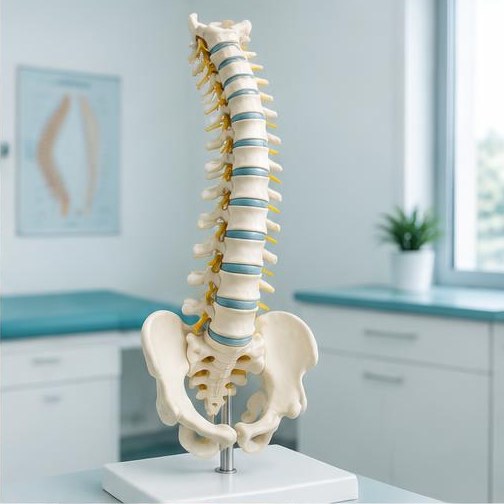
Low back pain affects the lower back and may limit movement, sleep and everyday activities. It can be recent or persist for months. The World Health Organization explains that many cases are nonspecific: no single lesion explains the pain. This does not make the pain any less real; care should consider symptoms, function and personal circumstances.
Low back pain and sciatica are not the same
Pain may stay in the back or travel down a leg. Sciatica describes symptoms related to nerve root irritation, which may include radiating pain, tingling or weakness. Not every episode of low back pain is caused by a herniated disc; history and examination help distinguish possible causes.
Assessment before imaging
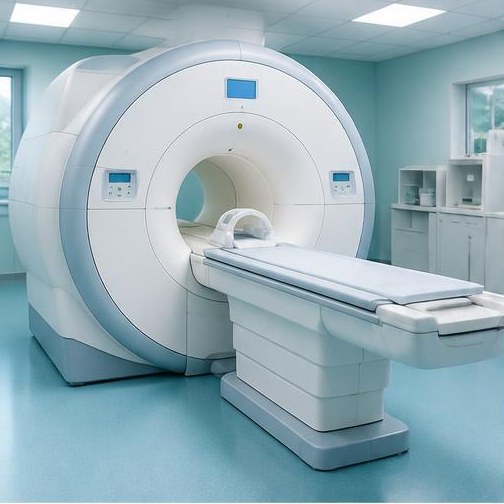
The clinician asks when pain began, what changes it, whether there are leg symptoms and how it affects your life. NICE does not recommend routine imaging in nonspecialist care. During specialist assessment, MRI may be useful if its result would change management. An image alone does not determine whether surgery is needed.
Restoring function with an individual plan
Management may include education, adapted activity and exercise or physiotherapy based on tolerance and assessment. Prolonged bed rest is usually not the answer. Medication should be individualized because of risks and contraindications. Neurosurgical assessment may be appropriate for neurological deficits or persistent symptoms linked to a potentially treatable lesion; it does not automatically mean surgery is indicated.
Warning signs that should not wait
Seek emergency care for new difficulty urinating or loss of bladder or bowel control, numbness around the genitals or between the legs, or new or progressive leg weakness. These symptoms may indicate serious nerve compression. Pain with fever, after major trauma or with a cancer history also requires prompt assessment. Do not wait for a virtual appointment or arrange travel to address an emergency.
Questions for your consultation
- Are there signs of nerve involvement on my examination?
- Would an MRI change treatment?
- Which activities can I maintain and what follow-up is needed?
Sources and references
- OMS · Dolor lumbar
- NICE NG59 · Low back pain and sciatica: recommendations
- AANS · Cauda Equina Syndrome
General educational information. Sources inform this content but do not validate treatment for your case or certify EME TRAVELS services. Consult a professional before making health decisions.