Brain tumors: diagnosis, symptoms and multidisciplinary treatment
Understanding tumor type and location is essential to planning care with neurosurgery and other specialties.
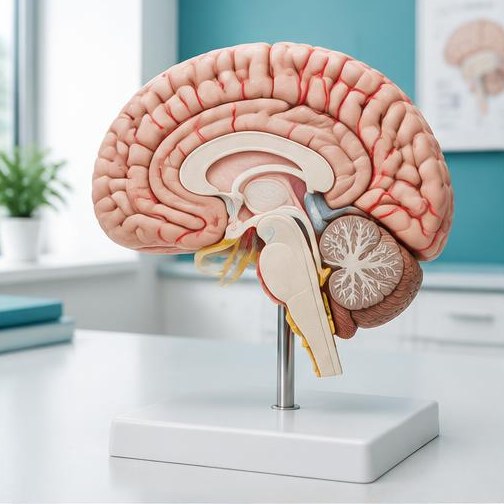
A brain tumor is an abnormal growth of cells in the brain or nearby structures. It may be primary, originating there, or metastatic, spreading from cancer elsewhere in the body. Not all are malignant, but even a noncancerous tumor can affect important functions because of its location or size. Diagnosis and treatment require specialized, individual assessment.
Symptoms that need assessment
Symptoms vary with the affected region and may include seizures, vision changes, weakness, balance problems or changes in language and behavior. Headache has many causes and does not by itself confirm a tumor. New or progressive headache with neurological symptoms deserves medical assessment; it should not be diagnosed through an article or an online conversation.
From imaging to a precise diagnosis
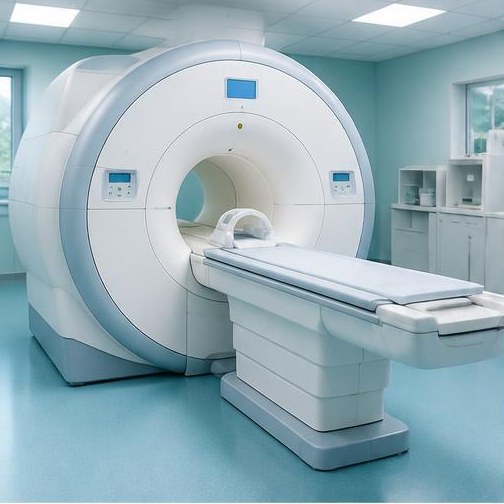
Assessment may include neurological examination and MRI or CT according to the situation. Many cases require tissue obtained through biopsy or surgery to determine tumor type and characteristics; in others, location or risk calls for a different strategy. Molecular testing may help guide treatment when appropriate.
A team and a plan, not a single solution
Options may include surveillance in selected cases, surgery, radiotherapy and systemic treatments depending on the diagnosis. The team may involve neurosurgery, oncology, radiation oncology, neuroradiology and rehabilitation. When surgery is proposed, the goal may be diagnosis or removing as much tumor as possible while preserving function. Complete removal is not always possible, and an endoscopic approach is not suitable for every lesion.
Urgent care and continuity
A first seizure, sudden weakness, sudden speech difficulty, loss of consciousness or a sudden severe headache requires emergency care because these may indicate different neurological emergencies. Do not automatically attribute them to a tumor. After diagnosis, ask about follow-up, symptom management and rehabilitation; follow-up is part of treatment and should not be interrupted to arrange travel.
Questions for your consultation
- What is known about the tumor type and location?
- Is a biopsy needed and what would it tell us?
- Which team will coordinate my treatment and follow-up?
Sources and references
- National Cancer Institute · Adult Central Nervous System Tumors Treatment (PDQ®), Patient Version
- MedlinePlus · Brain Tumors
General educational information. Sources inform this content but do not validate treatment for your case or certify EME TRAVELS services. Consult a professional before making health decisions.