Herniated disc: symptoms, diagnosis and treatment options
What happens when a disc affects a nerve root and how conservative care and surgery are considered.
Intervertebral discs help cushion loads between the vertebrae. A herniation occurs when some inner disc material moves through its outer covering. If it irritates or compresses a nerve, pain and other symptoms can occur. Some herniations cause no symptoms: diagnosis should connect imaging with the history and examination, rather than rely on MRI alone.
Symptoms depend on the affected area
Lumbar herniation may cause pain down the buttock and leg, tingling, numbness or weakness. Cervical herniation may cause symptoms toward the shoulder and arm. Symptom distribution and muscle strength help the clinician identify which nerves may be involved. Other conditions can cause these symptoms, so clinical assessment is needed.
What MRI contributes
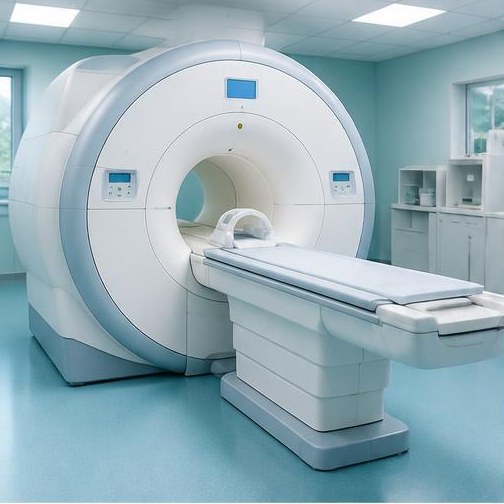
Examination assesses strength, sensation and reflexes. When indicated, MRI shows discs, nerves and soft tissues. Not everyone needs imaging at the first episode. Herniation size alone is not enough to choose treatment: location, symptom correlation and neurological progression matter.
Conservative care and when to consider surgery
Many patients improve without surgery through a plan that may include adapted activity, physiotherapy and prescribed medication as appropriate. An intervention may be considered for persistent disabling pain despite appropriate care with a matching lesion, or certain neurological abnormalities. Discectomy and some endoscopic approaches are not interchangeable or suitable for every herniation; the specialist should explain alternatives, risks and expected recovery without promising outcomes.
When to seek emergency care
New difficulty urinating, loss of bladder or bowel control, numbness around the genitals or between the legs, or new or worsening weakness requires urgent care. With a lumbar herniation, these symptoms may relate to cauda equina syndrome, which needs immediate assessment. Do not wait for pain to increase or for a scheduled appointment.
Questions for your consultation
- Does the herniation on imaging explain my symptoms?
- Which nonsurgical options are appropriate for me?
- If surgery is proposed, what is its goal and what are its risks?
Sources and references
- AANS · Herniated Disc
- NICE NG59 · Low back pain and sciatica: recommendations
- AANS · Cauda Equina Syndrome
General educational information. Sources inform this content but do not validate treatment for your case or certify EME TRAVELS services. Consult a professional before making health decisions.